
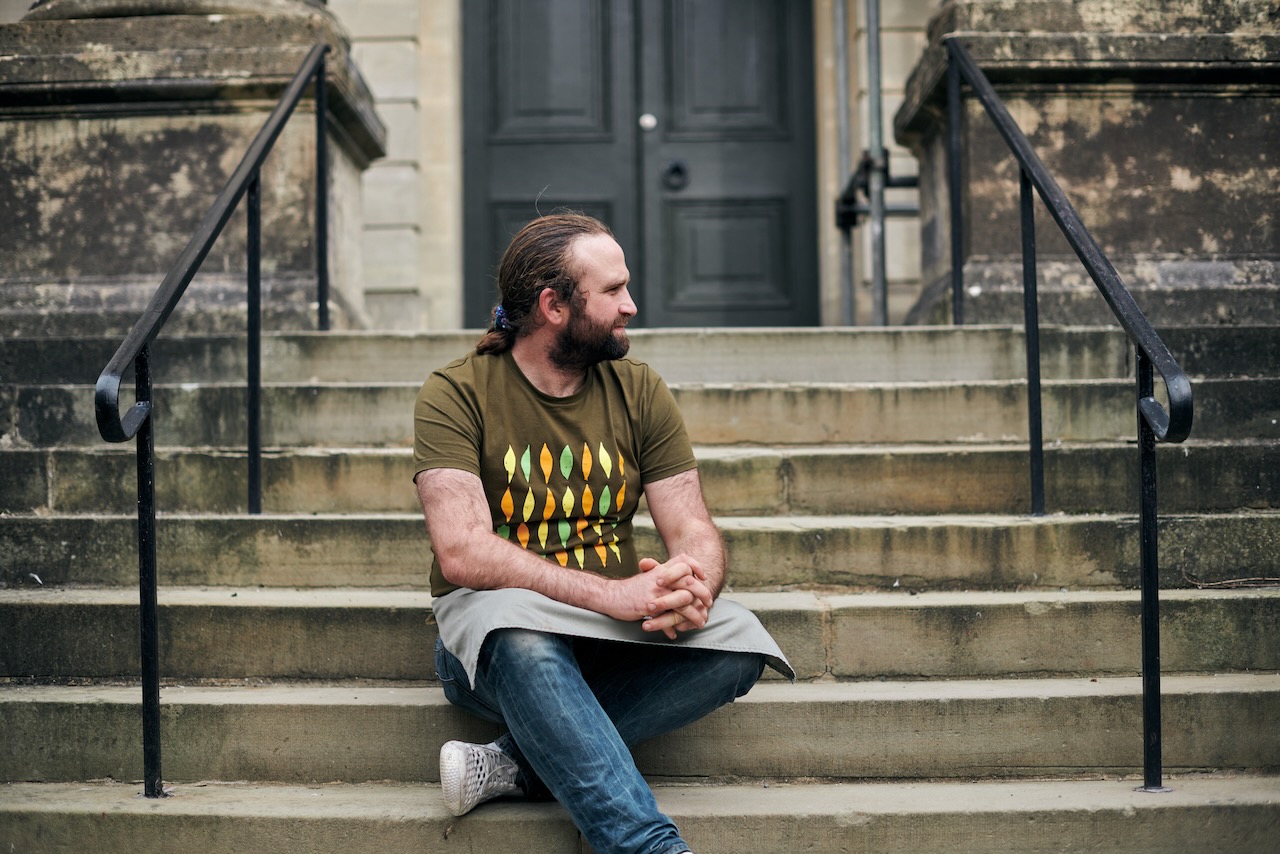
Today I spent a couple of hours on a Zoom call with the Senedd, taking part in a focus group on access to healthy, nutritious and affordable food. I was there representing Cegin Hedyn, alongside people working across health, policy, research and community food projects from all over Wales.
What struck me most was how familiar the conversation felt.
We talked a lot about ultra-processed food. About how it has quietly become the default for so many people, not because it’s what they want to eat, but because of cost, time pressure, stress and access. Especially in rural places, where choice is limited and transport makes everything harder.
At Cegin Hedyn, we see something very different when the conditions change. When people are offered food that’s freshly cooked, made with care, and served in a warm, welcoming space, they eat it. They enjoy it. They come back. The issue is not a lack of knowledge or interest. It’s whether good food is genuinely accessible.
One of the things I felt strongly about saying is that you can’t talk to people in crisis about nutrition. If someone is dealing with housing insecurity, violence, debt, ill health or simply trying to survive day to day, advice about healthy eating arrives too late. It doesn’t land, and it shouldn’t be expected to.
Where food really makes a difference is earlier. Before crisis. When it’s part of everyday community life. When it’s social, shared and dignified. Not delivered as a lesson or an intervention, but as something normal and human.
That social nature of food kept coming up in the discussion. Shared meals. Familiar faces. Places where people don’t have to prove anything to be welcomed. Food works best when it builds trust first. Everything else follows from that.
We also talked openly about the barriers community food projects face. Short-term funding came up again and again. Healthy food costs more than ultra-processed food. Rural access makes logistics harder. Referral systems create stigma. And without funded coordination roles, projects rely on goodwill until people burn out.
None of these are individual failings. They are system issues.
I shared what we know works at Cegin Hedyn: pay-what-you-can meals, non-referral access, proper cooking from scratch, strong local supply chains, and consistency. Not pilots that come and go, but everyday provision that people can rely on. Food that’s grown with care, cooked with skill, shared with dignity, and composted back into the soil to start again.
We also talked about collaboration. Food is often the first place people will show up. A meal can be the doorway to connection, confidence, volunteering, growing, and eventually other forms of support. That only works when organisations are linked up, communicating, and working with trust rather than in silos.
When asked what the next Welsh Government should prioritise, I kept it simple:
Long-term core funding for community food infrastructure.
Dignity-first access to food, without stigma or referrals.
And treating food as preventative public health, not just emergency support.
If we get those things right, we stop managing food poverty and start preventing it.
I finished the call feeling quietly hopeful. Not because everything is solved, but because the conversation is catching up with what many communities already know. Good food, shared well, changes things. Not overnight. But steadily, and for the long term.
What we’re building at Cegin Hedyn is collective. It’s grown, cooked, served, composted and cared for by many hands. I’m grateful to be able to carry those experiences into rooms like this, and even more grateful for everyone who makes the work real, week in and week out.
Community food isn’t a nice extra. It’s essential infrastructure.
Deri Reed